IMF worsens forecast for Uzbekistan's external accounts amid declining gold exports
The International Monetary Fund has raised its forecast for Uzbekistan's current account deficit in 2026 from 3.2% to 5.1% of GDP
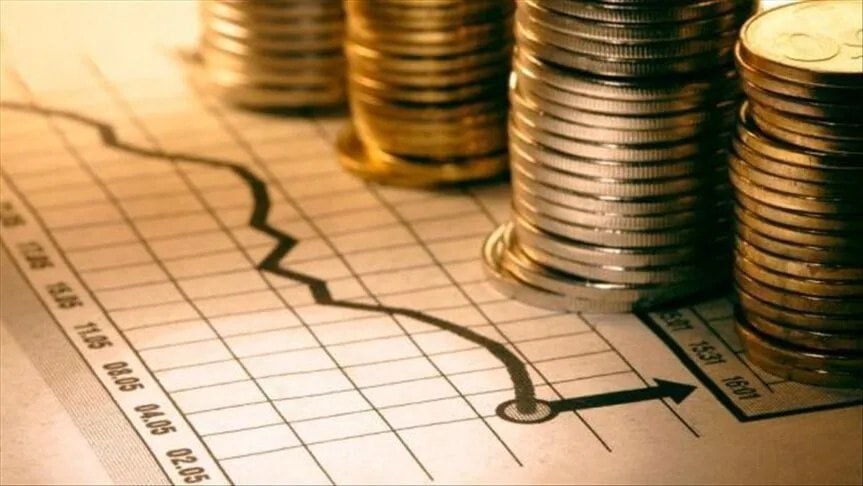
The assessment was presented on November 16 by the IMF's Resident Representative in Uzbekistan, Koba Gvenetadze. According to him, the revision was also influenced by high import growth amid domestic demand.
The Fund's representative suggested that the authorities monitor the non-mineral fiscal balance—the state of the budget excluding revenues from the extraction and export of minerals. This indicator helps assess the sustainability of public finances without income from raw materials, the prices of which can fluctuate significantly.
The IMF expects Uzbekistan's economy to grow by 6.9% in 2026, followed by a slowdown to 5% in 2027. Gvenetadze supported the Central Bank's maintenance of a tight monetary policy with a key rate of 14%. He also noted that the transition to a floating exchange rate helps the economy adapt to external shocks and is one of the conditions for inflation targeting.
Among structural issues, the Fund's representative highlighted tax incentives and the state of state-owned enterprises. In his view, excessive tax holidays may reduce the efficiency of the tax system and create distortions, while the reform of state-owned enterprises should be one of the directions for increasing productivity.
In 2025, the IMF conducted a comprehensive assessment of Uzbekistan's financial sector (FSAP). Its recommendations are expected to form the basis for further reforms in the banking sector. The Fund plans to present updated economic assessments following the next mission, expected at the end of November 2026. Pension reform was also identified as a key area: the necessary documents have been prepared, but major transformations are yet to be implemented.